It's about feeling more comfortable with yourself


Your Friendly Guide to Responsible Casino Gambling
What draws millions to the felt and flashing lights of the casino floor? Casino gambling is the act of wagering money or valuables on games of chance or skill, where the outcome is determined largely by randomness and probability. The core benefit it offers is the immediate thrill of potential financial gain combined with immersive entertainment, all within a controlled gaming environment. To use it effectively, players must understand that the house always maintains a mathematical edge, making bankroll management essential for extending play and maximizing enjoyment.
The house advantage is the mathematical edge built into every casino game, ensuring the casino profits over time. In games like roulette, the green zero pocket creates this built-in edge, meaning players lose 5.26% of every bet on a double-zero wheel. For blackjack, the edge is smaller, around 0.5% with perfect basic strategy, but increases if you make poor decisions. Slot machines have a variable house edge, often ranging from 2% to 15%, depending on the game’s payout table. No betting system can overcome this built-in edge, as it is a fixed mathematical certainty. Understanding this allows players to choose games with lower house advantages, like baccarat’s banker bet at 1.06%, to extend playtime and manage bankroll expectations.

Every casino wager is a direct expression of probability, determining the likelihood of specific outcomes before a card is dealt or a reel spins. This mathematical framework ensures that, while individual wins are possible, the long-term results tilt toward the house. For a simple bet like red on roulette, the probability of winning is 18/37 on a European wheel, compared to 19/37 for the house, creating the edge. Understanding probability versus odds is crucial, as odds reflect the payout ratio, not the true chance. To see how probability shapes a wager, follow this sequence:
This direct comparison reveals the house advantage embedded in every bet.
Slots hide their math in blindingly fast cycles—par sheets confirm a house edge of 2% to 15%, but you face thousands of spins per hour, bleeding money at a pace table games never match. Table games, like blackjack or craps, run far fewer hands per hour and often let you lower the edge with basic strategy to under 1%. The crucial math difference is volatility: slots pay out in rare, big hits while slowly draining your bankroll, whereas table games offer more frequent, smaller wins that stretch playtime. Return to Player percentages on slots are deceptive because they average over millions of spins, not your session.
Why do slots drain money faster than table games even with similar edges? Slots process 500–800 spins per hour versus 60–80 hands at a table—more bets mean the house edge compounds quicker, eating your bankroll regardless of the percentage.
The house always wins in the long run because every game is mathematically engineered with a built-in statistical edge, known as the house advantage, which ensures profit over millions of wagers. This edge, embedded in rules like the presence of 0 and 00 in roulette or the payout odds for craps, guarantees that even if players win short-term streaks, random variance cannot overcome the negative expected value over time. Casinos manage risk by setting bet limits and table maximums, so no player can recover from cumulative losses by doubling bets. The house’s profit is a certainty, not luck, as the law of large numbers steadily erodes player capital.
Popular wagers that draw the crowd center on high-energy, low-skill bets with massive payout potential. In craps, the “Pass Line” bet with odds creates a communal roar when a shooter hits a point. Roulette draws throngs to the spinning wheel, where a straight-up single number offers a 35-to-1 thrill. The “Big Six” wheel hypnotizes with giant money symbols, while keno’s simple pick-and-win format packs lounges. These bets aren’t about strategy—they’re about shared suspense.
The most magnetic wager is the craps “Any Seven,” a one-roll bet that instantly wins or loses, igniting explosive cheers or groans across the table.
Slot machine “max bet” buttons also pull crowds with progressive jackpots, flashing lights, and audible cascades of coins. Every popular wager prioritizes immediate resolution over complex play.
At the felt, blackjack uniquely balances strategy versus raw luck. While chance dictates the dealer’s hole card and the shoe’s sequence, your decisions with every hand directly shift the odds. Mastery of basic blackjack strategy—knowing when to hit, stand, double, or split based on your total versus the dealer’s upcard—can lower the house edge to under 1%, turning a game of pure gamble into a calculated contest. Unlike roulette’s spin, this table rewards concentration over superstition. A disciplined player navigates the variance, but even perfect play cannot nullify a cold streak; the felt remains a battlefield where skill sharpens the edge, yet luck holds the final card.
In blackjack, strategy gives you the tool, but the dealer’s face-down card keeps luck forever in play.
The roulette wheel’s hypnotic spin makes the single number bet the ultimate crowd magnet, offering a life-changing 35:1 payout from a tiny chip placement. Hitting that one pocket feels like defying physics, not just luck. This wager, often called a straight-up bet, turns every spin into a personal drama, with players locking eyes on their chosen slot as the ball dances. The allure isn’t logic—it’s the pure thrill of isolation, betting against all odds.
Craps commands the casino floor with its high-energy atmosphere, a vortex of cheering crowds and rhythmic dice throws. The game’s allure for seasoned players lies in its complex betting options, which go far beyond simply wagering on the Pass Line. You can leverage odds bets with no house edge, place Come and Don’t Come bets, or try risky prop bets on specific dice combinations. These layered wagers create a strategic battlefield where understanding the odds transforms chaotic rolls into calculated risks, keeping the action intense and the potential for big payouts electrifying.
In baccarat, the main game is already simple, but the appeal of simple side bets adds an extra jolt of fun without overcomplicating things. Wagers like the Player or Banker Pair pay off immediately if the first two cards match, giving you a quick win with minimal thought. The Dragon Bonus is another crowd favorite, offering bigger returns when the winning hand wins by a wide margin. You don’t need a strategy or deep rules knowledge—just pick a side and enjoy the fast payout.
The clatter of chips and the hum of the floor have given way to the quiet glow of a screen, where the digital shift in modern betting lets you place a bet from your couch at 3 AM. In this context, the core change is real-time interaction with live dealers streamed directly to your device. You no longer wait for a hand to finish; you watch the card slide across a felt table in a studio hundreds of miles away, betting on the next spin while the current one is still resolving. Your phone buzzes with a notification that the table you just left has a hot streak. The physical limits of space vanish, replaced by an always-on, immersive experience where the casino comes to you.
Live dealer games bridge the gap between digital convenience and real casino energy. You get a human croupier streaming in real-time, dealing cards or spinning the wheel while you chat with them and other players. This creates a social vibe that standard RNG games lack, making every hand or spin feel authentic. For the best experience, you can adjust camera angles or use quick-bet buttons to keep up with the pace. Real-time interaction is the key here, letting you react instantly to the action.
Mobile apps have fundamentally redefined casino gambling by enabling on-the-go play from any location. A player can now place a slot spin during a commute or join a live blackjack table from a couch, effectively transforming downtime into gaming sessions. This shift demands that apps optimize for seamless, touch-based interfaces and stable connectivity. To ensure a practical experience, users typically follow a clear sequence: first, download a licensed casino app from a trusted source; second, complete a quick identity verification linked casinous.com to their mobile wallet; third, deposit funds via a mobile-friendly method like Apple Pay or a prepaid card; and finally, access a curated library of games optimized for smaller screens, such as streamlined slots and mobile-specific table variations with pinch-to-zoom features.
Cryptocurrency payments in casino gambling are increasingly favored for their ability to bypass traditional banking checks. Transactions occur directly between digital wallets, leaving no paper trail to personal accounts. Anonymity trends now center on privacy coins like Monero, which obscure transaction histories completely. A typical process for anonymous betting involves:
This reliance on privacy-focused blockchain technology minimizes data exposure, though transaction speeds and network fees vary daily based on blockchain congestion.
Effective bankroll management in casino gambling begins with setting a strict loss limit before you play, and never exceeding it. Divide your total session funds into smaller, equal betting units, wagering no more than 1-5% of your bankroll per hand or spin. This approach prevents rapid depletion from a losing streak. Always separate your gambling money from essential living expenses, and treat any winnings as part of your current session bankroll, not as “house money” to be recklessly wagered. When you hit your predetermined loss limit, stop playing immediately; chasing losses undermines the entire strategy. A disciplined casino gambling budget ensures you can enjoy the activity without financial strain, focusing on entertainment rather than recovery.
Before engaging in any game, determine a fixed amount you are willing to lose and treat it as your cost of entertainment. This predetermined bankroll cap must be set in cash before you enter the casino floor or open a digital account. Once that specific limit is reached, your session ends immediately—no exceptions, no chasing. This tactic isolates your financial exposure from your living expenses, preventing loss-chasing and ensuring the experience remains controlled. Treat this not as a suggestion but as an unbreakable rule governing every gambling session.
The Martingale system, which doubles bets after a loss, is a core example in analyzing betting systems. While theoretically covering losses with one win, its practical flaw is the exponential risk to your bankroll; a short losing streak quickly hits table limits. Other systems like the Paroli (betting on wins) or Fibonacci (sequence-based progression) redistribute risk differently but never alter the house edge. Each system trades short-term volatility for guaranteed long-term erosion. Logical analysis shows these patterns manage pacing, not probability.
The Martingale and similar systems cannot overcome negative expectation; they merely structure losses until variance meets bankroll limits or table maximums.

Knowing when to walk away is the single most disciplined act in bankroll management. You must set a strict loss limit before you sit down and honor it without exception—that is non-negotiable bankroll control. Equally important is setting a win goal. When you hit it, cash out immediately; chasing more usually erases your profit. Walk away when you feel tired, frustrated, or distracted, as your judgment will be impaired. Quitting on a win or within your loss boundary ensures you play another day.
Understanding the legal landscape for casino gambling is essential before participating. Jurisdictions define the boundary between lawful and unlawful play; you must verify that online or physical casinos operate under a recognized authority. The specific regulatory framework determines your rights, such as dispute resolution processes and fund protection rules. Even in legalized regions, conditions like age limits and restricted games apply. Playing only within these frameworks ensures your activity is protected by law and that the operator is accountable to a governing body. Any casino outside this structure lacks oversight, exposing you to potential loss without recourse.
When exploring casino gambling in the U.S., you’ll find state-specific gaming rules directly shape where and how you can play. Nevada offers classic resorts with no restrictions on table games, while New Jersey allows online wagering but limits physical casino locations. Mississippi lets you gamble on riverboats, and Hawaii bans all casinos entirely. Even within states like Colorado, mountain towns permit casinos while Denver does not, creating a patchwork of access for travelers.
For casino gambling travelers, international hotspots like Macau, Monaco, and beyond offer distinct experiences. Macau’s Cotai Strip concentrates massive, visually extravagant resorts where high-stakes baccarat dominates the floors. Monaco’s Monte Carlo provides intimate, Belle Époque elegance, with its Casino de Monte-Carlo requiring formal attire for private rooms. Beyond these, destinations like Singapore’s Marina Bay Sands integrate casinos within sprawling entertainment complexes, while the Bahamas’ Atlantis Resort pairs gambling with water parks. Each hotspot demands practical knowledge: bring a valid passport, understand local dress codes, and note that membership or entry fees may apply at exclusive venues like Monaco’s main casino.
Macau for scale and baccarat, Monaco for tradition and luxury, and emerging spots like Singapore and the Bahamas for integrated resort gaming—each hotspot requires specific readiness regarding dress codes, access fees, and local gambling preferences.
Most casinos set the minimum gambling age at 21, though some spots let 18-year-olds in for slots. You need a valid ID—like a driver’s license—to prove you’re old enough. Keep in mind, age limits can differ between online and physical casinos, so always check the local rules before you play. Your proof of age at entry is non-negotiable, and casinos will deny you if you forget it. For online play, you’ll submit a scan of your ID during sign-up, and they verify it before letting you deposit.
Casino gambling exploits the brain’s dopamine system, where near-misses activate reward pathways almost as powerfully as actual wins. This creates a cycle that distorts perception, making gamblers overvalue small payouts while ignoring the statistical house edge. The variable ratio reinforcement schedule—unpredictable wins—is the most addictive mechanism, as the uncertainty itself becomes the reward. **Q: Why do gamblers chase losses despite losing?** **A:** Loss aversion; the psychological pain of losing is roughly twice as intense as the pleasure of winning, driving irrational bets to “recover” funds.
Every spin on a slot machine triggers a dopamine loop, flooding your brain with pleasure even before the reels stop. This neurotransmitter reinforces the behavior, but the true hook is the near-miss—when two cherries land but a third barely misses. Your brain processes this loss almost like a win, amplifying motivation to try again. This illusion of almost winning keeps you engaged, making you believe the prize is just one more gamble away. Near-miss addiction exploits this neural glitch, overriding rational thought with artificial hope.
Chasing losses fundamentally alters player behavior by shifting decision-making from logic to emotion. A player experiencing a setback will often abandon their predetermined betting limits, increasing both the size and frequency of wagers to recover lost funds. This behavior creates a cycle of increased risk, where the goal shifts from having fun to breaking even. The player becomes less sensitive to odds and more focused on the next spin or hand as a potential solution. This irrational persistence often results in larger losses than originally sustained, transforming a temporary loss into a significant financial hit. Loss-chasing behavior directly erodes self-control and discipline, the core tools for responsible gambling.
Q: How does chasing losses change a player’s approach to betting limits?
A: It causes them to ignore or abandon their pre-set limits, leading to larger and riskier bets than originally intended.
When gambling crosses from fun to trouble, certain compulsive patterns and signs to watch for emerge. You might chase losses by betting more to recover money, or feel restless when not playing. Hiding bets from loved ones and lying about time spent are common red flags. Even winning can feel hollow if the urge to gamble overpowers the pleasure.
VIP programs reward high-stakes players with cashback on losses, exclusive table limits, and personalized hosts who manage your bookings and expedite payouts. The real leverage lies in negotiating comp-worthy playthrough requirements before you deposit, turning a standard 30x bonus into a manageable 10x with a dedicated account manager. Seasoned gamblers know that asking for a “loss rebate” at the start of a session can secure up to 20% of net losses back, a perk rarely advertised publicly. Strategic play on slots or table games directly inflates your tier points, which unlock faster withdrawals, luxury event access, and higher betting ceilings you cannot earn as a casual member.
Comps, free play, and loyalty tiers form the core of casino rewards, directly converting player action into tangible benefits. Free play credits act as cash-equivalent currency, allowing wagering without risking personal funds. Comps—such as meals, rooms, or show tickets—are earned based on theoretical loss, not actual spend. Loyalty tiers escalate comp growth rates and free play multipliers, rewarding consistent play with accelerated point accumulation and exclusive offers.
High roller perks begin with exclusive private table access, where players wager substantial sums away from the main floor’s noise. These secluded gaming areas offer higher betting limits and personalized service, including dedicated hosts who manage drink orders and game pace. Beyond the table, casinos extend tailored offers such as luxury suite comps, round-the-clock limousine transport, and rebate programs that refund a percentage of net losses. The logic is straightforward: by isolating high-stakes play and layering on bespoke incentives, casinos cultivate loyalty and maximize the average handle from each elite patron, ensuring every perk directly supports sustained, high-volume wagering.
Upon registration, casinos issue a loyalty card tied to a central database that records every slot spin, table bet, and purchase. This player tracking system calculates your theoretical loss, generating a precise “comps” budget. Hosts leverage this data to offer personalized rewards, such as free rooms, meals, or tournament entry, based directly on your average bet and time played. Floor managers also monitor your gameplay pattern to extend immediate incentives like a free drink or a dinner reservation, ensuring high-value visitors feel recognized and remain engaged on the casino floor.
The casino floor is now a living network where smart tables wirelessly stream every hand and spin to a central system, eliminating dealer error and speeding up payouts. RFID chips in physical cards and chips allow real-time bet tracking, letting floor managers instantly detect suspicious patterns or game imbalances. A player’s face is scanned at entry to trigger personalized offers on their preferred slot machine before they even sit down. This seamless integration of hardware and analytics subtly guides player behavior, making every decision more calculated than it appears. Touchscreen blackjack tables and digital roulette wheels replace felt with pixel-perfect accuracy, while haptic feedback on terminals mimics the physical feel of dice and chips, preserving the tactile thrill.
Modern casino floors rely on certified RNG fairness audits to ensure every spin and card draw is truly unpredictable. These algorithms generate millions of random sequences per second, with independent testing agencies regularly verifying outputs against expected statistical distributions. Players benefit because each result remains isolated from previous outcomes, preventing any exploitable patterns. Transparent casinos display their certification seals and audit reports, allowing you to confirm that digital game odds match advertised RTP percentages, creating a mathematically level playing field where chance alone determines success.
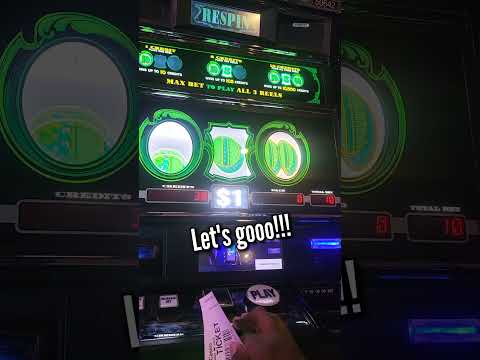
Facial recognition quietly powers a more seamless floor experience. It lets you skip ID checks at the VIP lounge, as the system instantly verifies your identity and tier status. For security, cameras discreetly cross-reference faces against self-exclusion lists in real time, protecting both you and the house. Personalization kicks in as the system flags your favorite blackjack table to a host, who greets you with your usual drink order. Facial recognition for personalization makes every visit feel custom-tailored.
Q: Does facial recognition save my gambling preferences? A: Yes, it learns your game choices and betting patterns to suggest tables and offer tailored comps, all without you filling out a card.
Imagine stepping onto a real casino floor from your living room. With immersive virtual casino floors, you’ll pull digital slot handles and hear chips clatter beside you. Live dealers appear as lifelike avatars, dealing blackjack or spinning roulette wheels you can virtually touch. You’ll glance around, seeing other players’ avatars at nearby tables. The experience feels social and tangible, letting you lean over a craps table or pick up a poker hand. Your physical movements control everything, making each bet and card flip feel natural.

